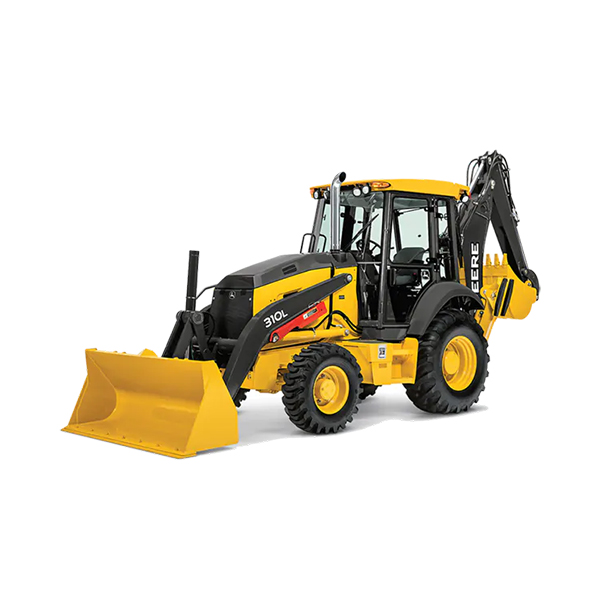
 When launching a new commercial development or large-scale infrastructure project, securing reliable machinery is your highest priority. The global machinery market offers various avenues for acquiring assets, but buying pre-owned fleets remains the smartest financial move for growing businesses. Savvy project managers look for machines that combine low operational hours with meticulous maintenance histories to ensure long-term job site productivity.
Sourcing heavy machinery requires a deep understanding of equipment lifespans and structural wear patterns. Buyers must look past fresh paint to evaluate the core hydraulic pumps, engine performance, and undercarriage health. Partnering with an established broker helps streamline this exploration phase, giving you direct access to certified fleet dispersals and vetted dealer networks across the country.
Navigating the Global Market for Used Construction Equipment and Commercial Fleets
The secondary market for heavy machinery has expanded rapidly, providing contractors with unprecedented access to global inventory. This massive availability allows companies to scale up their operations quickly without enduring the long factory wait times associated with brand-new models. However, navigating this vast marketplace demands a strict inspection protocol to separate high-performing units from worn-out machinery.
Experienced fleet managers always prioritize mechanical reliability and transparent maintenance records over low upfront pricing. A well-maintained machine lowers the total cost of ownership by reducing unexpected downtime and expensive emergency repairs during critical project phases. Working with an industry expert ensures your investment goes toward reliable used construction equipment that delivers consistent power on every job site.
Critical Inspection Protocols for Heavy Earthmoving Machinery
Before finalizing any machinery purchase, conducting a rigorous physical and operational inspection is absolutely essential for your protection. Technicians should thoroughly test the hydraulic pressures, analyze engine oil samples, and check structural components for stress fractures or welding repairs. These deep mechanical evaluations reveal the true operational history of the machine, far beyond what any simple odometer or hour meter can show.
Checking Hydraulic Systems and Engine Performance Under Full Load
The hydraulic system acts as the lifeblood of any heavy earthmover, demanding close scrutiny during your walkaround inspection. Look closely for signs of cylinder scoring, leaky valve blocks, or sluggish performance when the machine reaches its maximum operating temperature. Testing the engine under a simulated heavy load helps detect deep-seated issues like excessive exhaust smoke, unusual vibrations, or power drops.
Analyzing Total Cost of Ownership vs Initial Purchase Price
Smart business owners know that the initial sticker price is only one part of the financial equation when upgrading a fleet. You must factor in transport logistics, immediate replacement parts, specialized technician labor, and future fuel efficiency ratings. Balancing these long-term operational expenses against your initial capital layout ensures that your chosen machinery actively drives project profitability.
- Calculate the remaining service life of high-wear components like tracks, sprockets, and teeth.
- Verify the availability of local replacement parts and specialized mechanics for that specific model.
- Review historical fuel consumption data to forecast accurate operational costs for upcoming contracts.
Maximizing Job Site Efficiency with High-Performance Used Dozers for Sale
Earthmoving projects rely heavily on the brute strength and grading precision of reliable track-type tractors to keep schedules on track. These powerful machines are responsible for clearing rugged terrain, leveling massive subgrades, and moving tons of material efficiently every single day. Selecting the right size and blade configuration ensures your operators can work faster while burning less fuel per yard.
Finding quality used dozers for sale requires matching the specific machine configuration with your typical job site soil conditions. For instance, low ground pressure configurations excel in soft, swampy environments where flotation is critical for operation. Conversely, standard heavy undercarriages are better suited for rocky, abrasive terrains where structural durability avoids premature track wear.
Matching Undercarriage Configurations with Your Specific Terrain Types
The undercarriage represents one of the most significant maintenance costs over the lifespan of any tracked machine. Buyers must carefully measure link height, bushing wear, and carrier roller conditions to estimate when a costly rebuild will be needed. Choosing an undercarriage designed specifically for your primary working environment minimizes hourly operating costs and maximizes your machine uptime.
Evaluating Blade Typologies for Maximum Material Displacement Capabilities
Different blade designs serve highly specialized roles on the job site, from heavy pioneering work to delicate finish grading. Straight blades offer superior penetration force for hard-packed soils, while universal blades feature large wings to move massive volumes of loose material. Semi-U blades offer a perfect middle ground, providing excellent versatility for contractors who handle diverse civil engineering projects.
Conclusion
Acquiring heavy machinery is a major strategic decision that shapes the financial health and operational capacity of your construction firm. By executing rigorous inspection protocols and aligning machine specs with terrain demands, you secure highly productive assets at a fraction of new costs. Partnering with a trusted industry broker ensures your fleet remains strong, reliable, and ready to conquer any project challenges ahead.